


Master the Art of Creating Tajima-Compatible Embroidery Designs
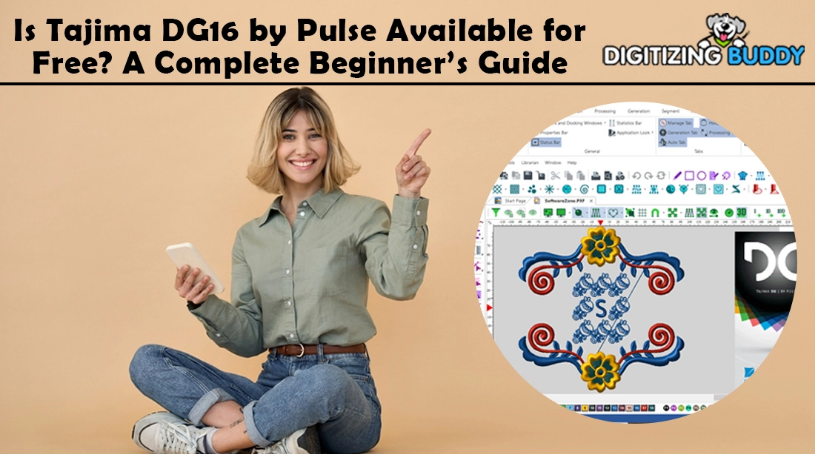
Embroidery is not just stitching. It is art. It is also skill. When you work with Tajima machines, you need clean and smart design files. These machines are strong and fast, but they need the right format to work well.If your design is not set up right, the result will not look good. Threads may break. Shapes may look off. That is why learning how to prepare designs for Tajima is very important.In this guide, you will learn how to Convert Image to Emboridery for Tajima in a simple and clear way. We will walk step by step. No hard words. No stress. Just easy learning.
Why Tajima Machines Need Special Design Files
Tajima machines do not read normal image files like JPG or PNG. They need stitch files. These files tell the machine where to stitch, how fast, and what type of stitch to use.
What Makes Tajima Different?
- Tajima uses DST file format
- It reads stitch paths, not pixels
- It needs clean and simple shapes
- It works best with well-planned designs
If your file is messy, your embroidery will also be messy.
Understanding Embroidery Digitizing
Digitizing means turning an image into a stitch file. This is not just a simple convert step. It is a creative process.
What Happens During Digitizing?
- Image is cleaned
- Colors are reduced
- Shapes are defined
- Stitch types are added
- Stitch paths are planned
Each step matters. Even small mistakes can ruin the final look.
Tools You Need to Get Started
Before you begin, you need the right tools.
Basic Tools
1. Embroidery Software
You need software that supports Tajima files. Some common ones are:
- Wilcom
- Hatch
- Pulse
2. A Good Image
Use a clear image. Avoid blurry or low-quality images.
3. Tajima Machine
Make sure your machine is set and ready.
Step-by-Step Process to Create Tajima Designs
Let’s break the process into simple steps.
Step 1: Choose the Right Image
Pick a design that is:
- Clear
- Not too detailed
- Easy to trace
Simple designs work best for beginners.
Step 2: Clean the Image
Before digitizing, clean your image.
Things to Do:
- Remove extra colors
- Smooth rough edges
- Make lines clear
This step makes digitizing easier.
Step 3: Import into Software
Open your embroidery software. Import your image.
Now you will start turning it into stitches.
Step 4: Outline the Design
Use tools to trace shapes.
Tips:
- Start with big shapes
- Move to small details later
- Keep lines smooth
Step 5: Choose Stitch Types
Different parts need different stitches.
Common Stitch Types:
Fill Stitch
Used for large areas
Satin Stitch
Used for letters and borders
Running Stitch
Used for lines and small details
Choose wisely. This affects the final look.
Step 6: Set Stitch Direction
Stitch direction changes how light hits the design.
- Keep direction smooth
- Avoid sharp changes
- Follow the shape flow
Step 7: Add Underlay
Underlay is the base stitch.
It helps:
- Hold fabric in place
- Improve design shape
- Make top stitches look clean
Step 8: Adjust Density
Density means how close stitches are.
- Too high = thread breaks
- Too low = gaps in design
Find a balance.
Step 9: Set Thread Colors
Match colors to your design.
Keep it simple. Too many colors can slow down work.
Step 10: Export as DST File
Now save your design in Tajima format.
- Choose .DST
- Check file settings
- Save clean version
Your file is now ready for Tajima machine.
Common Mistakes to Avoid
Even small errors can ruin your design.
Mistake 1: Too Much Detail
Tiny details may not stitch well.
Mistake 2: Wrong Stitch Type
Using the wrong stitch can make design look bad.
Mistake 3: Poor Image Quality
Bad input = bad output.
Mistake 4: Ignoring Fabric Type
Different fabrics need different settings.
Tips from Real Experience
From hands-on work, here are some simple tips:
Keep Designs Simple
Simple designs stitch better.
Test Before Final Run
Always run a sample first.
Use Quality Threads
Cheap thread breaks fast.
Learn from Errors
Every mistake teaches you something.
How Fabric Affects Your Design
Fabric plays a big role.
Soft Fabric
Needs light stitches
Thick Fabric
Needs strong underlay
Stretch Fabric
Needs careful settings
Always adjust your design based on fabric.
Why Professional Help Matters
Digitizing is a skill. It takes time to master.
If you want top results, you can use experts like Embroidery Digitizing Services in USA - Digitizing Buddy. They have real experience. They understand how Tajima machines work. They can turn your design into a perfect stitch file.
How to Improve Your Digitizing Skills
Learning never stops.
Practice Daily
Try new designs
Watch Tutorials
Learn new tricks
Study Good Designs
See what works
Use Feedback
Fix your errors
When to Use Auto Digitizing
Some software has auto tools.
Pros:
- Fast
- Easy for beginners
Cons:
- Not always accurate
- Needs manual fixing
Use auto tools for simple designs only.
Manual Digitizing vs Auto Digitizing
Manual Digitizing
- High quality
- Full control
Auto Digitizing
- Quick
- Less control
Experts prefer manual work for best results.
Importance of Testing Your Design
Never skip testing.
Why Test?
- Check stitch quality
- Fix errors
- Save time and cost
Run your design on scrap fabric first.
How to Scale Designs Properly
Scaling is tricky.
- Do not resize DST files directly
- Resize in software
- Adjust stitches after resizing
This keeps your design clean.
File Management Tips
Keep your work organized.
Tips:
- Save original file
- Save edited version
- Name files clearly
This helps in future edits.
Choosing the Right Partner for Digitizing
If you are busy or need perfect results, choose a trusted service.
A good option is Embroidery Digitizing Services in USA - Digitizing Buddy. They offer clean and tested files. They understand Tajima machines well. Many users trust them for quality work.
Final Thoughts
Creating Tajima-compatible designs is a mix of art and skill. It may look hard at first, but with practice, it becomes easy.
Start simple. Learn step by step. Do not rush. Every design you make will improve your skill.
If you want fast and high-quality results, you can always trust experts like Embroidery Digitizing Services in USA - Digitizing Buddy.
With the right steps, tools, and practice, you can master this art and create designs that stitch perfectly every time.
 English
 Arabic
 French
 Spanish
 Portuguese
 Deutsch
 Turkish
 Dutch
Dutch
 Italiano
 Russian
 Romaian
 Portuguese (Brazil)
 Greek
Greek
