


The Hull Protection Standard: How Marine Anti-Fouling Coatings and Ship Hull Protective Coatings Are Revolutionizing Vessel Performance
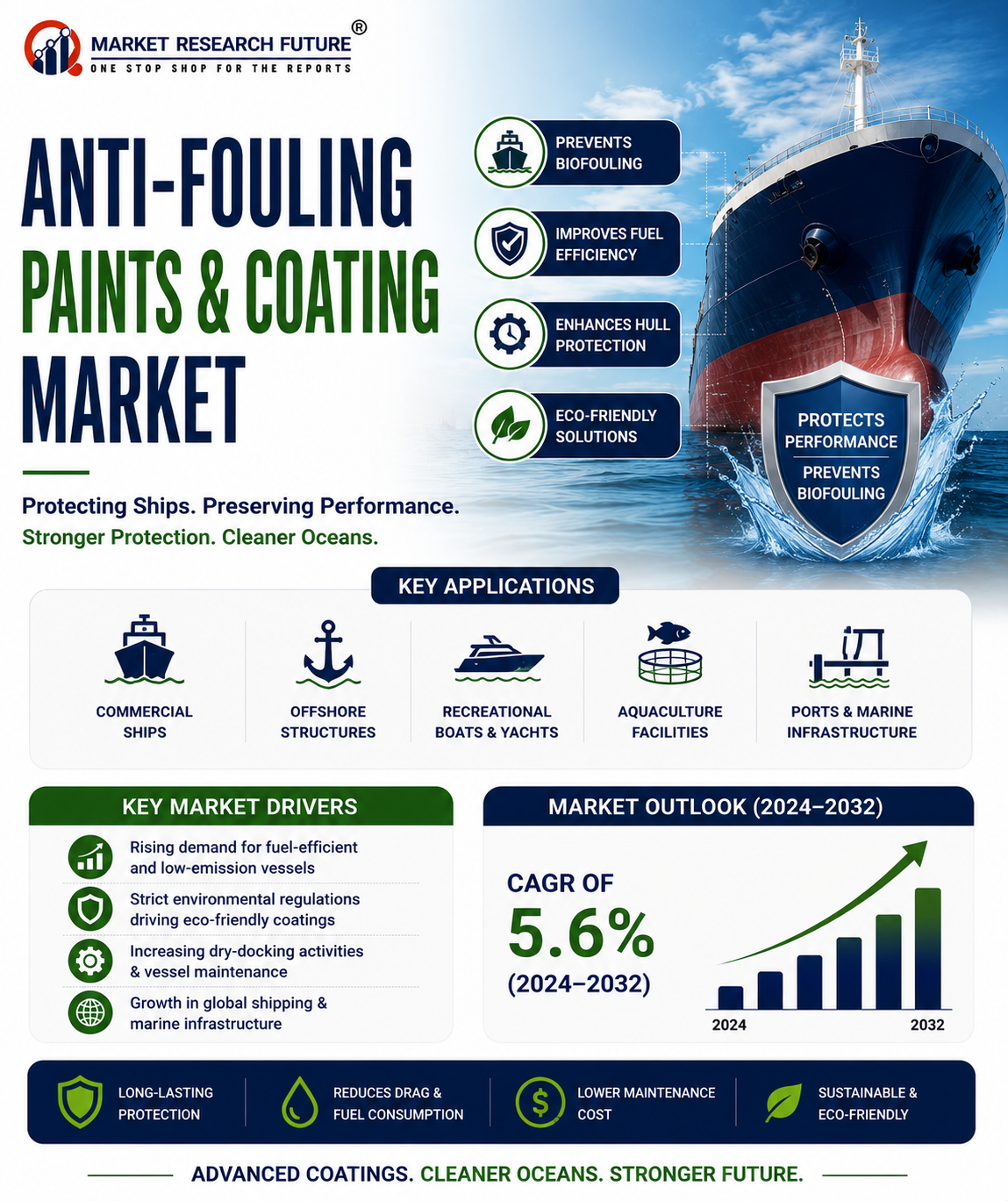
Marine anti-fouling coatings have become the cornerstone of modern vessel protection, offering unparalleled defense against biofouling, corrosion, and hydrodynamic drag. As environmental regulations tighten and operational efficiency demands rise, ship hull protective coatings are gaining significant traction. The global anti-fouling paints and coatings market reached approximately USD 9.31 billion in 2024 and is projected to grow to USD 21.84 billion by 2034, registering a CAGR of 8.90% . At the forefront of this transformation are marine anti-fouling coatings and ship hull protective coatings, which together are revolutionizing how vessels are protected, maintained, and operated.
The Evolution of Marine Anti-Fouling Coatings
Marine anti-fouling coatings have evolved from simple biocidal paints to sophisticated, multi-layer systems that provide superior protection, fuel efficiency, and environmental compliance. These coatings include self-polishing copolymer (SPC) systems, controlled depletion polymer (CDP) types, foul release coatings, and copper-based formulations . Self-polishing copolymer coatings hold a significant market share due to their ability to provide long-term, controlled release of biocides, ensuring consistent protection throughout the vessel's operational cycle . Foul release coatings, particularly silicone-based formulations, are emerging as a fast-growing segment, driven by consumer preference for environmentally friendly solutions and regulatory pressures .
The evolution of marine anti-fouling coatings is driven by the rising demand for fuel-efficient vessels and the growth of the global shipping industry. With international trade expanding, shipowners are prioritizing coatings that reduce fuel consumption and operational costs. The commercial shipping sector is projected to grow significantly, bolstering the anti-fouling coatings market . The expansion of offshore oil and gas exploration has heightened the need for coatings that ensure asset integrity in harsh marine environments, prompting investment in advanced anti-fouling solutions that offer durability and performance .
The Strategic Importance of Ship Hull Protective Coatings
Ship hull protective coatings are essential for ensuring vessel longevity, operational efficiency, and regulatory compliance. These coatings provide critical protection against corrosion, biofouling, and mechanical damage, extending the service life of vessels and reducing maintenance costs . Epoxy-based coatings remain the dominant segment due to their exceptional adhesion, chemical resistance, and mechanical strength . High-performance anti-corrosion coatings, including zinc-rich primers and advanced epoxy systems, are increasingly adopted for offshore structures and naval vessels .
The strategic importance of ship hull protective coatings is amplified by stringent environmental regulations and corporate sustainability commitments. The International Maritime Organization (IMO) has implemented strict regulations regarding antifouling systems, phasing out harmful biocides and promoting non-toxic alternatives . Over 60% of shipowners prefer coatings with sustainable profiles, indicating a shift in purchasing behavior . Compliance with these regulations ensures operational efficiency and enhances brand reputation. The emphasis on sustainability addresses consumer preferences and aligns with regulatory pressures for reduced environmental impact.
Key Applications Driving Market Growth
Marine anti-fouling coatings and ship hull protective coatings find applications across diverse vessel types and marine structures. Hull coatings dominate the market share due to rising demand from the shipbuilding sector, driven by increasing global trade and fleet expansion . Commercial vessels, including container ships, tankers, and bulk carriers, represent the largest application segment, accounting for over 54% of total demand . These vessels require robust protection against fouling and corrosion due to continuous operation in diverse marine environments.
Offshore structures, such as drilling rigs and production platforms, represent a rapidly growing application segment, with increasing investments in offshore oil and gas exploration driving demand for specialized coatings . Naval vessels and defense applications also contribute significantly to market growth, requiring advanced anti-corrosion and stealth capabilities . The leisure boats and yachts segment is gaining traction, with owners seeking eco-friendly coatings that provide superior aesthetics and performance .
Benefits of Marine Anti-Fouling Coatings
The benefits of marine anti-fouling coatings and ship hull protective coatings extend across fuel efficiency, vessel longevity, and environmental sustainability. Fuel efficiency is enhanced through reduced drag and improved hydrodynamic performance. Vessel longevity is ensured through superior corrosion protection and biofouling prevention. Environmental sustainability is addressed through biocide-free and low-VOC formulations .
The adoption of advanced marine coatings supports operational efficiency and regulatory compliance. The development of new materials with improved performance is expanding the application range. Self-polishing copolymer (SPC) systems remain the mainstream technology, though the high-end market is increasingly shifting toward low-friction, silicone-based (fouling-release), copper-free, and low-VOC systems .
Future Trends and Opportunities
The future of marine anti-fouling coatings and ship hull protective coatings is characterized by continued innovation in technology and sustainability. Expansion into biocide-free and silicone-based coatings is creating new opportunities . Investment in nanotechnology-enabled coatings is enhancing performance and durability . Development of smart coatings with integrated sensors is enabling predictive maintenance and real-time hull condition monitoring . Integration of digital monitoring systems is optimizing maintenance schedules and reducing operational costs .
Organizations that invest in Marine anti-fouling coatings and innovative Ship Hull Protective Coatings will be well-positioned to lead the maritime industry's transformation, delivering the high-performance, sustainable solutions demanded by next-generation shipowners and regulatory bodies.
 Greek
 English
 Arabic
 French
 Spanish
 Portuguese
 Deutsch
 Turkish
 Dutch
 Italiano
 Russian
 Romaian
 Portuguese (Brazil)
